Services of Heritage Immigration Services
At Heritage Immigration Services, our certified immigration administrative scriveners — officially authorized to submit applications at the Immigration Services Agency on behalf of clients — handle all types of residence status procedures at the Immigration Services Agency as well as naturalization applications at the Legal Affairs Bureau for those wishing to acquire Japanese nationality.
What Is a Certified Immigration Administrative Scrivener?
In principle, applications to the Immigration Services Agency (Immigration Bureau) must be submitted in person by the foreign national. However, under the Application Submission System, certified immigration administrative scriveners who have completed the required training and received approval from the Regional Immigration Services Bureau Director are permitted to submit application documents on behalf of the applicant. This means that by engaging our services, you are exempt from personally appearing at the Immigration Bureau, allowing you to proceed with your application while continuing your work or studies.
Examples of procedures we can handle on your behalf: Certificate of Eligibility application, Extension of Period of Stay application, Change of Status of Residence application, Permanent Residence application, Re-entry Permit application, Permission to Engage in Activity Other Than That Permitted under Status of Residence, Certificate of Authorized Employment, and more (for full details, please refer to the Immigration Services Agency's "Application Submission System").
What Can an Administrative Scrivener Do for You?
An administrative scrivener is a nationally licensed professional authorized to prepare documents submitted to government offices and to act as an agent for submission procedures.
Certification of Eligibility, Change & Renewal of Status of Residence
Certificate of Eligibility (COE) Application
A Certificate of Eligibility (COE) is required to invite someone from abroad or to stay in Japan under a recognized status of residence.
A Certificate of Eligibility (COE) is a document issued in advance by the Immigration Services Agency to certify that the activities a foreign national intends to engage in upon entry correspond to a status of residence under the Immigration Control Act.
If you wish to engage in activities different from your current status (e.g. marriage, employment, job change), you must apply for a Change of Status of Residence.
Foreign nationals residing in Japan who wish to switch to a different status of residence (e.g. changing to "Spouse or Child of Japanese National" after marriage, or changing from "Student" to "Engineer/Specialist in Humanities/International Services" upon employment) must apply for a Change of Status of Residence.
Renewal of Status of Residence
If you wish to continue staying in Japan, you must apply for an Extension of Period of Stay. Applications can be submitted up to 3 months before your current period expires.
All status of residence types (except Permanent Resident) have a defined period of stay. If you wish to remain in Japan under the same status, you must apply for an Extension of Period of Stay.
Visas for Working in Japan
Highly Skilled Professional Visa
Your advanced expertise is evaluated by a point-based system. Reaching 70 points or above grants you a status of residence with preferential treatment.
The Highly Skilled Professional Visa is evaluated by a points system. Those who reach the threshold score (70 points) receive a wide range of preferential treatment for their stay and work in Japan.
Special Highly Skilled Professional (J-Skip)
If your academic background, work experience, and annual income meet certain standards, you can qualify as a Highly Skilled Professional without a points calculation. Benefits include permanent residency eligibility after just 1 year.
The Special Highly Skilled Professional (J-Skip) system was introduced in April 2023. Those who meet certain academic/work history and income requirements are granted the "Highly Skilled Professional" status without the need for a points calculation, and benefit from enhanced privileges such as permanent residency eligibility after just 1 year.
Future Creation Talent Program (J-Find)
This program allows graduates of top-ranked overseas universities to stay in Japan for up to 2 years for job-seeking or startup preparation activities.
The Future Creation Talent Program (J-Find) allows eligible graduates to apply directly to the Immigration Bureau without the need for a designated organization. Those engaged in job-seeking or startup preparation activities are permitted to stay in Japan for up to 2 years, with the option to bring a spouse and children.
A work visa for managing or operating a business in Japan. Can be obtained through company establishment, investment, or acquisition.
The Business Manager Visa corresponds to the status of residence for those engaged in the management or administration of trade or other business operations in Japan.
This program allows foreign entrepreneurs to stay in Japan for up to 2 years to prepare for starting a business, with the support of a designated organization.
The Startup Visa (Foreign Entrepreneur Support Program) is a Designated Activities status of residence that permits a preparatory period of up to 2 years before meeting the requirements of the Business Manager Visa.
Legal and Accounting Services Visa
A status of residence for qualified professionals such as attorneys, certified public accountants, judicial scriveners, tax accountants, and administrative scriveners practicing in Japan.
The Legal and Accounting Services Visa is a status of residence for those who hold qualifications such as attorney or certified public accountant and are engaged in those professional activities in Japan.
A visa for those holding Japanese medical qualifications such as physician or dentist who are engaged in medical activities in Japan.
The Medical Professional Visa is a status of residence for those who hold Japanese medical qualifications (e.g. physician, dentist) and are engaged in medical activities in Japan.
A status of residence for those who conduct research based on a contract with a Japanese institution.
The Researcher Visa is for those conducting research based on a contract with a Japanese institution (public organizations, private companies, etc.).
A visa for those providing language or other educational instruction at elementary, junior high, or senior high schools and equivalent institutions.
The Instructor Visa is for those providing language or other educational instruction at elementary, junior high, senior high schools, or equivalent institutions in Japan.
Engineer / Specialist in Humanities / International Services Visa
A visa covering a wide range of occupations including engineers, interpreters, designers, language instructors, and marketing professionals.
This visa is for those working in Japan as mechanical engineers, interpreters, designers, corporate language instructors, or in marketing and related fields.
A visa for employees transferred from an overseas office to a Japanese office of the same company for a fixed period.
The Intra-Company Transferee Visa is for employees temporarily transferred from an overseas office to a Japanese office of the same company to perform duties equivalent to Engineer/Specialist in Humanities/International Services.
A status of residence for those working in occupations requiring skills specific to a foreign country, such as chefs, pastry chefs, construction technicians, sports instructors, and sommeliers.
The Skilled Labor Visa is for those with specialized skills unique to foreign countries, such as chefs of Chinese, French, or Indian cuisine, pastry chefs, construction technicians, or craftspeople involved in manufacturing or repairing products specific to foreign countries.
Technical Intern Training Visa
A visa for those acquiring technical skills and knowledge at a Japanese company, or for those engaged in work to further develop acquired skills.
The Technical Intern Training Visa is for those who work at a Japanese company or organization while acquiring technical skills and knowledge, or who are engaged in work to further develop previously acquired skills.
Specified Skills Development Program
Launching in April 2027. A new system to develop and secure human resources at the Specified Skilled Worker (Level 1) standard through 3 years of employment in sectors facing labor shortages.
The Specified Skills Development Program is a new initiative that replaces the Technical Intern Training system. It aims to develop and secure human resources in sectors facing labor shortages by allowing workers to develop technical and Japanese language skills through employment, with the goal of eventually working as a Specified Skilled Worker (Level 1). Transfer of employers and transition to Specified Skilled Worker (Level 1) are permitted under certain conditions.
A visa for those employed as professors, associate professors, or teaching assistants at universities, junior colleges, graduate schools, or technical colleges in Japan.
The Professor Visa is for those staying in Japan as professors, associate professors, or teaching assistants at Japanese universities, junior colleges, graduate schools, equivalent institutions, or technical colleges.
A visa for artists (composers, painters, writers, photographers, etc.) or those providing artistic instruction who wish to engage in activities in Japan.
The Artist Visa is for those who stay in Japan and engage in activities as artists (e.g. composers, painters, writers, photographers) or as instructors of artistic activities.
A visa required for those dispatched to Japan by a foreign religious organization to engage in missionary work or other religious activities.
The Religious Activities Visa is required for those dispatched to Japan by a foreign religious organization to engage in missionary work or other religious activities.
A visa for journalists, reporters, and cameramen engaged in press activities such as news gathering based on a contract with a foreign media organization.
The Journalist Visa is for those who engage in press activities such as news gathering based on a contract with a foreign media organization.
A visa for singers, dancers, actors, musicians, models, martial artists, and other entertainers performing in Japan or appearing on television.
The Entertainer Visa is for singers, dancers, actors, actresses, musicians, models, martial artists, talents, and performers who perform in Japan or appear on television.
A status of residence for foreign nationals with certain skills and Japanese proficiency who wish to work in 16 specific industries facing labor shortages.
The Specified Skilled Worker Visa allows foreign nationals with a specified level of expertise and skill to work in 16 designated industries that face difficulty securing domestic workers. Level 1 permits employment for a cumulative period of up to 5 years; Level 2 allows long-term employment and family accompaniment through renewals.
A Designated Activities visa (Notification No. 53) for remote work with foreign companies. Requires an annual income of at least JPY 10 million and permits a stay of up to 6 months.
This status of residence is for those who wish to stay in Japan while working remotely for foreign companies or clients. Classified under Notification Nos. 53 and 54, it allows a stay of up to 6 months and permits the accompanying of a spouse and children.
Visas for Studying in Japan
A visa for those studying at universities, graduate schools, senior high schools, vocational schools, or Japanese language schools in Japan.
The Student Visa is for those who receive education at Japanese universities, graduate schools, senior high schools, vocational schools, or learn Japanese at Japanese language schools.
A status of residence for those who wish to learn and acquire knowledge or skills in Japanese culture.
The Cultural Activities Visa is for those who wish to acquire knowledge or skills related to Japanese culture.
A visa for those who aim to acquire technical skills and knowledge in Japan, return to their home country, and contribute to their country's industrial development.
The Training Visa is for those who acquire technical skills, techniques, and knowledge in Japan, then return home to contribute to their country's industrial development through international cooperation.
Visas for Living in Japan
For those who have resided in Japan for a long period and wish to settle permanently. No restrictions on period of stay or work activities.
The Permanent Resident Visa is for those who have lived in Japan continuously for a long period and wish to remain permanently. There are no restrictions on the period of stay or type of employment.
A status of residence granted by the Minister of Justice for a specified period based on special circumstances. Applicable to third-generation Japanese descendants, settled refugees, and Japanese nationals remaining in China, among others.
The Long-Term Resident Visa is a status of residence granted by the Minister of Justice for a specified period based on special personal circumstances. It applies to third-generation Japanese descendants, settled refugees, and Japanese nationals remaining in China, among others.
Spouse or Child of Japanese National Visa
A status of residence available to the spouse of a Japanese national, a person adopted as a special adoptee, or a person born as a child of a Japanese national.
The Spouse or Child of Japanese National Visa is for the spouse of a Japanese national, a person adopted as a special adoptee by a Japanese national, or a person born as a child of a Japanese national. It offers considerable freedom of activity with no restrictions on work.
Spouse or Child of Permanent Resident Visa
A visa for the spouse of a permanent resident or special permanent resident, or a child born in Japan who continues to reside in Japan.
This visa is for the spouse of a permanent resident or special permanent resident, or a child born in Japan who continues to reside there.
A visa for the spouse or child who is financially dependent on a foreign national residing in Japan and wishes to live in Japan.
The Dependent Visa is for the spouse or child financially dependent on a foreign national residing in Japan. In some cases, parents or siblings may also qualify.
A status of residence for activities individually designated by the Minister of Justice. Covers various categories including domestic workers, EPA nurse candidates, and foreign entrepreneurs.
The Designated Activities Visa covers activities individually designated by the Minister of Justice. It includes various categories such as domestic workers, EPA nurse/care worker candidates, parental accompaniment, and foreign entrepreneurs, each with specific requirements.
Designated Activities Nos. 40 & 41. For those seeking a long-term stay in Japan for tourism or recreation, with a maximum stay of 1 year.
Designated Activities Nos. 40 & 41 (Long-Term Stay for Tourism/Recreation / Affluent Persons Visa) is a status of residence permitting a stay of up to 1 year in Japan.
Visas for Short-Term Stay in Japan
A visa for foreign nationals visiting Japan for tourism, visiting relatives or friends, and other short-term activities (not required for visa-exempt nationals).
The Short-Term Stay Visa is for foreign nationals who wish to engage in activities in Japan such as tourism or visiting relatives, friends, or acquaintances.
A status of residence for foreign patients and their companions who come to Japan for medical treatment, health screenings, or recuperation.
The Designated Activity "Medical Stay and Accompanying Person" is a status of residence for foreign patients and their companions who come to Japan for medical treatment, health screenings, or recuperation.
Job-Seeking Activity for International Graduates
An explanation of the change/renewal of status of residence procedures for international students who graduated from a Japanese university and are conducting job-seeking activities.
The Designated Activity (for international students who graduated from a Japanese university and are conducting job-seeking activities) covers the change/renewal of status of residence for university and vocational school graduates continuing their job search.
If You Are Overstaying in Japan (Illegal Stay)
Special Permission to Remain Application
A system that exceptionally permits overstaying foreign nationals subject to deportation to remain in Japan. Circumstances involving a spouse or children are taken into consideration.
Special Permission to Remain is a system by which the Minister of Justice exceptionally permits a foreign national who falls under grounds for deportation to remain in Japan. Cases involving a Japanese spouse or dependent children with Japanese nationality are frequently approved.
Provisional Release Application
An application to temporarily suspend detention and secure the provisional release of a person detained for overstaying.
A Provisional Release Application is submitted when a person has been detained for overstaying or other reasons, seeking a temporary suspension of detention and provisional release from custody.
Revocation of Status of Residence
Grounds for revocation include obtaining landing permission by fraud, or residing in Japan without engaging in activities permitted under the visa for a certain period.
Grounds for revocation include obtaining landing permission by fraudulent means, or residing in Japan without engaging in activities permitted under the visa for a specified period.
An administrative measure stipulated under the Immigration Control Act that forcibly removes a foreign national from Japan.
Deportation is an administrative measure stipulated under the Immigration Control Act by which a foreign national residing in Japan is forcibly removed from the country.
The refusal of entry to foreign nationals deemed to pose a risk to Japan's national interests or public security.
Denial of Entry refers to the refusal of entry to foreign nationals who are considered likely to harm Japan's national interests or public security. It is also referred to as refusal of landing.
Special Permission for Landing
After forced deportation, re-entry is generally prohibited for a certain period. However, those with special circumstances may apply for Special Permission for Landing to be allowed to re-enter Japan.
Special Permission for Landing is a system whereby a person who has been deported may apply for Special Permission for Landing on the basis of special circumstances requiring entry into Japan, thereby obtaining permission to re-enter.
Even after deportation or a departure order, those who have obtained a Certificate of Eligibility and visa may be permitted to land without going through the Special Permission for Landing procedure.
The Exception to Denial of Entry (Article 5-2 of the Immigration Control Act) allows those who have obtained a Certificate of Eligibility and visa, even after deportation or departure under a departure order, to land in Japan without the Special Permission for Landing procedure, when the Minister of Justice deems it appropriate.
An overview of refugee recognition and complementary protection applications, the process for statuses of residence such as provisional stay, designated activities, and long-term resident.
This page provides a clear explanation of the refugee recognition and complementary protection application process, the flow of statuses of residence (provisional stay, designated activities, long-term resident), and the benefits of recognition.
For Those Wishing to Acquire Japanese Nationality
An explanation of the requirements for naturalization (acquisition of Japanese nationality), simplified naturalization, and the application process. Applications are submitted at the Legal Affairs Bureau at no charge.
Naturalization is a system by which a foreign national applies to the government for permission to acquire Japanese nationality. The decision rests with the Minister of Justice; applications are submitted at the Legal Affairs Bureau and no fee is charged.
Other Services
Inviting Your Parents to Japan
The previous Designated Activity for parental care has been abolished. Conditional programs such as "parents of Highly Skilled Professionals" and "parents of specific researchers" are now available.
To invite your parents to Japan, conditional programs are available, such as those for parents of Highly Skilled Professionals or parents of specific researchers.
Student and Dependent visa holders are generally not permitted to work. Obtaining Permission to Engage in Activity Other than Permitted allows you to work in Japan.
Foreign nationals residing in Japan on a Student or Dependent visa may work in Japan after applying for and receiving Permission to Engage in Activity Other than Permitted under the Status of Residence.
Guidance on the notifications and residence procedures required when a foreign national gives birth in Japan. Failure to complete these procedures will result in the child becoming an overstayer.
We provide support for the procedures required when a foreign national gives birth in Japan. Failure to complete the necessary procedures will result in the child being in an overstay (illegal stay) status.
Adopted children under age 6 qualify as Long-Term Residents; those adopted as special adoptees qualify as Spouse or Child of Japanese National. An explanation of the difference between ordinary and special adoption, and visa requirements.
An explanation of the relationship between international adoption and status of residence. Adopted children under age 6 qualify as Long-Term Residents; those adopted as special adoptees qualify as Spouse or Child of Japanese National.
If you are leaving Japan and plan to return, you must obtain a re-entry permit in advance. We can handle the application on your behalf.
Foreign nationals who leave Japan and intend to return must obtain a re-entry permit from the Immigration Services Agency in advance.
Certificate of Authorized Employment
A certificate proving that you are authorized to work in Japan. We also assist with Permission to Acquire Status of Residence (due to renunciation of nationality, birth, etc.).
The Certificate of Authorized Employment certifies that you are authorized to work in Japan. We also provide support for Permission to Acquire Status of Residence procedures (due to renunciation of nationality, birth, etc.).
Consultation
We listen carefully to your situation and recommend the most suitable visa application for you, including an explanation of the required fees and timeline. Available evenings, weekends, and holidays.
At Heritage Immigration Services, we first take the time to understand your individual situation and then recommend the most appropriate visa application. We will also explain the necessary fees and timeline in detail.
Phone inquiries accepted 10:00–17:00. Email and contact form available 24 hours a day. Please feel free to reach out.
Phone inquiries are accepted from 10:00 to 17:00. Email and contact form inquiries are accepted 24 hours a day.
Heritage Immigration Services
Heritage Immigration Services is based in Kita Ward, Osaka. Drawing on firsthand overseas visa experience, we help foreign nationals realize their goal of living in Japan.
Heritage Immigration Services operates from Kita Ward, Osaka City. We handle residence status applications, naturalization applications, and company establishment applications.
Learn about the background and profile of our representative.
Find out about the background and career history of our office representative.
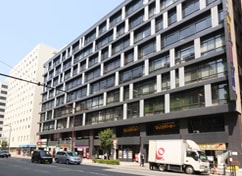
6-minute walk from Higashi-Umeda Station, 3-minute walk from Izumi no Hiroba. Located on the 6th floor of Sankyo Umeda Building.
〒530-0027 Sankyo Umeda Building 6F, 1-5 Doyamacho, Kita-ku, Osaka-shi, Osaka. You can reach us without an umbrella even on rainy days by exiting the underground walkway and passing through Higashidori Shopping Street.

Certified Immigration Administrative Scrivener
A nationally licensed professional authorized to submit immigration applications on behalf of clients. We handle procedures on your behalf so you do not need to appear at the Immigration Bureau in person.
A Certified Immigration Administrative Scrivener is a nationally licensed professional authorized under the Immigration Control Act to submit residence applications to the Immigration Services Agency on behalf of applicants.